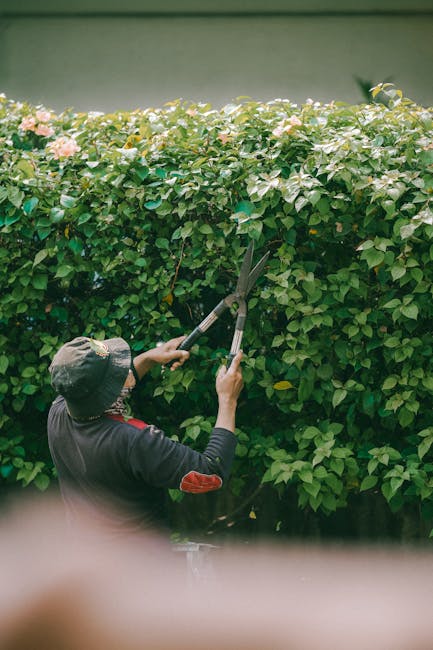
Affordable garden maintenance Hoxton Street Hoxton Square
If you live or work around Hoxton Street or Hoxton Square, you already know the gardens and shared outdoor spaces here can change fast. One wet week, a patch looks fine; a couple of sunny days later, the weeds are racing, the edges have gone soft, and nobody quite remembers who was meant to trim the hedge. That is exactly where affordable garden maintenance in Hoxton Street Hoxton Square earns its keep. It keeps spaces neat, usable, and presentable without turning garden care into a luxury expense.
This guide explains what affordable maintenance usually includes, how a sensible service works in a busy inner-London setting, and how to judge value properly rather than just chasing the cheapest number. You will also find practical tips, common mistakes, and a simple checklist to help you choose a plan that fits your space and your budget.
Table of Contents
- Why Affordable garden maintenance Hoxton Street Hoxton Square Matters
- How Affordable garden maintenance Hoxton Street Hoxton Square Works
- Key Benefits and Practical Advantages
- Who This Is For and When It Makes Sense
- Step-by-Step Guidance
- Expert Tips for Better Results
- Common Mistakes to Avoid
- Tools, Resources and Recommendations
- Law, Compliance, Standards, or Best Practice
- Options, Methods, or Comparison Table
- Case Study or Real-World Example
- Practical Checklist
- Conclusion
- Frequently Asked Questions
Why Affordable garden maintenance Hoxton Street Hoxton Square Matters
Gardens in Hoxton often have to do a lot with a little. You might be dealing with a compact courtyard, a shared front garden, a roof terrace with planters, or a rear patch that gets only slivers of light between neighbouring buildings. These spaces can look brilliant when they are looked after well, but they can also slide into a scruffy state surprisingly quickly. And once that happens, the job usually feels bigger and more expensive than it really is.
Affordable maintenance matters because regular care prevents small issues from becoming heavy, messy, time-consuming ones. A weekly or fortnightly visit often costs less over time than a one-off rescue job after months of neglect. It also keeps plants healthier, paths clearer, and boundaries easier to manage. In practical terms, that means less overgrowth, fewer weeds setting seed, and fewer awkward moments when guests, tenants, or customers arrive to a garden that looks forgotten.
There is also a local reality to think about. Hoxton is dense, busy, and often short on space. Gardens here need maintenance that is efficient, tidy, and respectful of neighbours. Nobody wants a noisy, drawn-out visit that blocks access or leaves debris behind. A good affordable service is not just cheap. It is organised, consistent, and proportionate to the space. That's the sweet spot.
Expert summary: The most affordable garden maintenance is usually the kind that prevents problems early, uses the right amount of labour for the space, and focuses on regular upkeep rather than dramatic fixes.
How Affordable garden maintenance Hoxton Street Hoxton Square Works
A sensible maintenance arrangement starts with a quick understanding of what the garden actually needs. That sounds obvious, but it is where many people either overspend or under-serve the space. A small, low-maintenance planting scheme needs a different approach from a mixed border, a shared commercial frontage, or a garden with hedges, pots, and lawn all in one.
In a typical arrangement, the provider will look at the size of the space, access, current condition, seasonal workload, and how often the garden should be visited. They may also consider waste removal, pruning needs, green waste handling, and whether you want one-off support or a regular contract. If you are comparing providers, it helps to review their services overview so you can match what they offer to what your garden actually needs.
Affordable does not mean stripped down to the point of being useless. It usually means efficient scheduling, sensible task grouping, and a clear scope. For example, a single visit might include mowing, edging, weeding, deadheading, light pruning, sweeping hard surfaces, and checking plant health. On another visit, the emphasis might shift to seasonal cut-backs, hedge shaping, or tidying planters before guests arrive.
Good garden maintenance also tends to be transparent about expectations. You should know whether clippings are removed, whether waste is recycled where possible, and what happens if a task becomes larger than planned. If budgeting matters, it is worth reading about pricing and quotes before agreeing to a schedule. That way, the conversation stays practical from the start.
Key Benefits and Practical Advantages
The most obvious benefit is visual. A tidy garden simply looks better. But the deeper value is how it changes the way you use the space. A well-maintained patch feels calmer, safer, and more usable. You are more likely to sit outside, water the plants properly, or let children use the area without worrying about hidden mess.
- Lower long-term cost: Regular attention is usually cheaper than repeated catch-up work.
- Better plant health: Pruning, feeding, and seasonal care help plants stay in better condition.
- Improved presentation: Especially important for rental properties, shared entrances, and small business fronts.
- Less stress: You do not have to spend your Saturday morning wrestling with brambles or a blunt pair of secateurs. Delightful, really.
- Safer access: Clear paths, trimmed growth, and reduced trip hazards matter more than people sometimes admit.
- Better seasonal rhythm: The garden is prepared for spring growth, summer use, autumn leaf fall, and winter clean-up.
One less obvious advantage is consistency. A garden that is seen regularly does not become a mystery. Small issues are spotted early: a pot drying out, a patch of mildew, a broken stake, a hedge getting too top-heavy. That kind of attention can save time and money, and frankly it keeps the whole place feeling cared for.
Who This Is For and When It Makes Sense
Affordable maintenance is a good fit for many different people around Hoxton Street and Hoxton Square. It is not just for homeowners with a large garden. In fact, the smaller the outdoor space, the easier it is to ignore until it becomes awkward. Then everything seems to need doing at once.
This service often makes sense for:
- Busy homeowners who want their garden kept in order without losing weekends to upkeep.
- Landlords and letting agents who need outdoor areas presentable between tenancies or inspections.
- Residents with shared gardens where no single person wants to manage the entire workload.
- Cafes, offices, and small businesses that want a tidy frontage or courtyard without a full-time gardener.
- People returning after a long gap who need a garden back under control before setting a routine.
It also makes sense if you already know you are inconsistent with garden care. No judgement there. A lot of people are brilliant at wanting a nice space and not brilliant at pruning at the right time. That is normal. In those cases, the best approach is usually not a heroic one-off overhaul, but a manageable, repeatable service plan.
If you are still comparing providers, it may help to learn more about the company behind the service via about us and the wider support available through contact us. A quick conversation often clears up more than ten guessed phone calls ever will.
Step-by-Step Guidance
Here is a simple, practical way to approach affordable garden maintenance in this part of London.
- Walk the garden properly. Note the problem areas: overgrowth, weeds, patchy grass, dead planting, blocked paths, or overflowing pots.
- Decide what matters most. Do you need presentation, safety, plant recovery, or all three? If you try to fix everything at once, budgets can run away.
- Separate routine tasks from seasonal work. Routine work might include mowing, weeding, and light tidying. Seasonal work may include pruning, planting, or leaf clearance.
- Ask for a clear scope. A good quote should explain what is included, what is excluded, and how extra work is handled.
- Agree on frequency. Weekly, fortnightly, or monthly visits each suit different gardens. In small urban spaces, less frequent visits can be fine if planting is simple.
- Choose a realistic budget. Cheap is not always affordable if it creates more work later. Try to balance price, reliability, and quality.
- Review after the first visit. Check whether the work matches what you wanted. If not, refine the brief early.
A useful rule of thumb: if you cannot describe the desired outcome in one or two sentences, the quote may end up fuzzy. And fuzzy quotes, as anyone who has lived through them knows, are rarely the fun kind.
Expert Tips for Better Results
After enough garden visits, a few habits stand out as genuinely helpful. Nothing glamorous. Just the kind of detail that keeps jobs tidy and affordable.
Keep the brief narrow where possible
The more precise the task list, the better the value. For example, "tidy the front garden, remove weeds, edge the path, and shape the small hedge" is far easier to cost accurately than "make it look nice." Everyone means well, but that second version can drift.
Group jobs by season
Try to schedule related tasks together. If pruning, feeding, and replanting can be done in one efficient visit, you avoid repeat callouts and wasted labour. In early spring or the damp edge of autumn, this can be especially useful.
Protect the easy wins
In small gardens, it is often the simple things that make the biggest visual difference: crisp edges, weed-free paving, clean containers, and balanced trimming. You do not always need a major redesign. Sometimes the place just needs breathing room.
Ask what happens to green waste
Waste handling matters. If clippings and cuttings are left in bags for you to deal with, the total value changes. If they are collected and recycled responsibly, that is better for both the space and the budget. You can also check whether the provider has a recycling and sustainability approach that fits your priorities through recycling and sustainability.
Do a quick before-and-after check
A five-minute walkthrough before the team leaves can save a lot of back-and-forth later. Check gates, paths, pots, edges, and any areas that were not obvious on arrival. It is a tiny effort, but useful.
Common Mistakes to Avoid
Let's face it: garden maintenance mistakes are usually not dramatic, just annoying. But those little mistakes can quietly add cost.
- Choosing purely on price: The cheapest quote may leave out key work or lead to patchy results.
- Skipping the site visit: Photos help, but they rarely show the whole story. Access, light, slope, and waste all matter.
- Ignoring seasonality: A lawn in midsummer needs different care from a border in late winter.
- Not defining access: If gates, bins, or communal entry points are unclear, the visit can stall.
- Expecting one visit to solve everything: A neglected garden usually needs a reset, then routine maintenance.
- Forgetting neighbours or shared users: Noise, access, and timing matter in dense areas like Hoxton.
One common oversight is failing to ask about reliability and safety. That sounds boring until something goes wrong. It is worth checking standards around health and safety policy and insurance and safety, especially if the work involves ladders, tools, public-facing areas, or shared access. Sensible precautions are not overkill. They are part of decent service.
Tools, Resources and Recommendations
You do not need a shed full of equipment to keep a small urban garden tidy, but the right tools make a noticeable difference. Good maintenance is often about using a few tools well, not owning everything under the sun.
| Task | Useful Tools | Why It Helps |
|---|---|---|
| Weeding | Hand fork, trowel, weed knife | Removes weeds cleanly without disturbing nearby plants too much |
| Edging | Half-moon edger, edging shears | Creates a crisp boundary that instantly looks smarter |
| Pruning | Secateurs, loppers, pruning saw | Helps shape growth and remove dead or overcrowded stems |
| Lawn care | Mower, rake, lawn feed | Supports even cutting and healthier turf |
| Tidying hard surfaces | Brush, leaf rake, blower where appropriate | Keeps patios, paths, and entrances clear and presentable |
If you are planning a longer-term arrangement, it helps to understand the broader service structure first. A page like services overview can clarify what is typically available, while pricing and quotes helps you think through budget and scope. That combination is often enough to get you from vague interest to a realistic plan.
For people who care about straightforward communication and trust, it is also sensible to look at the provider's terms and conditions and payment and security pages before proceeding. Not glamorous, no. Still useful.
Law, Compliance, Standards, or Best Practice
Garden maintenance is usually a practical service rather than a heavily regulated one, but good providers still work to clear standards. In the UK, best practice generally means taking reasonable care with tools, access, public spaces, waste handling, and customer data. You do not need a lecture. You do need confidence that work will be done sensibly and safely.
For domestic gardens and shared urban outdoor spaces, common expectations include:
- using equipment appropriately and maintaining it in safe working order
- managing access so residents, visitors, or staff are not put at risk
- handling waste responsibly and leaving the site tidy
- communicating clearly if conditions make a task unsafe or impractical
- being transparent about complaints, payments, and service limits
When a provider has public policies available, that is usually a good sign of organisation. Pages such as complaints procedure and accessibility statement suggest the business thinks about the full customer journey, not just the garden itself. That matters more than it might seem at first glance.
Privacy also matters, especially if you are booking through a website, sharing contact details, or arranging access to a property. If that is relevant to you, review the privacy policy and the cookie policy. Plain and simple, it is sensible housekeeping.
Options, Methods, or Comparison Table
There is no single right way to maintain a garden in Hoxton. The best method depends on size, budget, and how much hassle you want to avoid. Here is a practical comparison.
| Approach | Best For | Strengths | Limitations |
|---|---|---|---|
| One-off tidy-up | Neglected spaces, move-ins, pre-event preparation | Fast reset, visible improvement | Does not prevent future overgrowth unless followed by routine care |
| Regular maintenance plan | Homes, rentals, businesses, shared gardens | Predictable, often better value over time, fewer surprises | Requires ongoing commitment |
| Seasonal visits | Low-growth gardens, container planting, simple plots | Budget-friendly and flexible | May not suit fast-growing or high-visibility areas |
| DIY plus occasional support | Hands-on owners with limited time or tools | Lower routine spend, more control | Can become inconsistent if you get busy |
In many cases, a blended approach works best. Do the simple jobs yourself if you enjoy them, then bring in professional help for pruning, clearance, or the more time-sensitive tasks. That tends to be the cheapest route without making life complicated.
Case Study or Real-World Example
Imagine a small rear courtyard near Hoxton Square. It is not huge, but it has a couple of raised beds, a narrow paved area, two climbing plants, and a row of pots that looked lovely in late spring and then, truth be told, gradually got a bit wild. The owner had been meaning to sort it for months. Every time they looked out the window, the job felt larger.
The first step was not a complete redesign. It was a straightforward reset: weed the paving, trim back overgrown stems, clear fallen leaves, refresh the pots, and define the edges again. Once that was done, the garden looked better immediately. Not perfect, just cared for. There is a difference.
After that, a lighter maintenance schedule was enough to keep it under control. Smaller visits focused on tidying, deadheading, and checking watering needs. The result was a space that stayed pleasant without turning into a recurring weekend project. It also meant the owner could notice real improvements instead of constantly fighting damage.
That is often the hidden value of affordable maintenance: not grand transformation, but a steady reduction in stress. You start using the garden again. You open the door without a sigh.
Practical Checklist
Use this checklist before booking any garden maintenance service in Hoxton Street Hoxton Square:
- Walk the garden and note the main problems.
- Decide whether you need one-off, seasonal, or regular maintenance.
- Separate must-do tasks from nice-to-have extras.
- Ask exactly what is included in the quote.
- Check how waste will be handled and removed.
- Confirm access arrangements, timings, and any neighbour considerations.
- Review safety, insurance, and working practices.
- Make sure payment terms are clear before work begins.
- Ask how changes or additional tasks will be priced.
- Book the next visit before the garden slips back again.
Quick takeaway: if you want affordable results, keep the brief clear, the schedule realistic, and the expectations honest. That combination saves money more often than bargain-hunting ever does.
Conclusion
Affordable garden maintenance in Hoxton Street Hoxton Square is really about balance. You want a space that looks good and functions well, but you also want to avoid paying for unnecessary extras or letting small problems turn into larger ones. The best approach is usually calm, regular, and clear-eyed: know what your garden needs, choose a service level that matches your space, and keep the work focused on value rather than flash.
If you are comparing options now, start with a proper understanding of the service, the price structure, and the standards behind it. A little planning up front makes the whole process easier, and a lot less frustrating. Gardens, after all, respond best to steady attention. Funny old thing, but it's true.
Get a free quote today and see how much you can save.
If you are ready to take the next step, a quick conversation can help you turn a messy to-do list into something manageable and affordable. And once the first tidy-up is done, the whole place just breathes easier.
Frequently Asked Questions
What does affordable garden maintenance in Hoxton Street Hoxton Square usually include?
It usually covers the routine tasks that keep a garden tidy and healthy, such as weeding, mowing, edging, pruning light growth, sweeping paths, and clearing debris. More involved work like major clearance or planting may be separate.
Is a regular maintenance plan cheaper than one-off visits?
Often, yes. Regular visits usually prevent the garden from getting badly overgrown, which means less labour is needed each time. The exact value depends on the size and condition of the space, though.
How often should a small urban garden be maintained?
That depends on planting and use. Some small gardens only need monthly attention, while faster-growing or highly visible spaces may benefit from fortnightly visits. The right interval is the one that keeps the space under control without waste.
Can I keep costs down by doing some jobs myself?
Yes. Many people save money by handling basic watering, light weeding, or sweeping themselves and booking professional help for pruning, seasonal cut-backs, and more demanding work. That mixed approach can work very well.
What should I ask for in a quote?
Ask what is included, what is excluded, whether waste removal is part of the price, how access will be handled, and what happens if the job takes longer than expected. Clear quotes are usually the most useful quotes.
Do affordable garden maintenance services handle waste responsibly?
They should. It is reasonable to ask how green waste will be removed or recycled. If sustainability matters to you, ask about the provider's recycling and sustainability approach before booking.
Is garden maintenance different for shared spaces?
Yes. Shared gardens usually need more careful coordination around access, timing, noise, and responsibility. A clear maintenance plan helps avoid confusion and keeps everyone on the same page.
What if my garden has been neglected for months?
That is common. The usual solution is a one-off reset followed by a lighter regular plan. Trying to solve everything in one appointment can be costly and, honestly, a bit unrealistic.
How do I know if a provider is trustworthy?
Look for clear communication, transparent pricing, accessible policies, and sensible safety information. Pages such as about us, terms and conditions, and insurance and safety can tell you a lot about how a business operates.
Can maintenance be adapted for balconies, courtyards, and roof terraces?
Yes, absolutely. These spaces often need more precise care than traditional gardens because of pots, drainage, access, and exposure to wind or shade. A good provider should be able to tailor the work accordingly.
What should I do before the first visit?
Clear access routes, move any fragile items you are worried about, and make a short list of priorities. Even a few notes on what matters most can make the visit smoother and more efficient.
How can I get started without overcommitting?
Begin with a simple assessment and a quote for the most important tasks first. You can always add more later. Starting small is often the smartest way to keep the work affordable and manageable.